
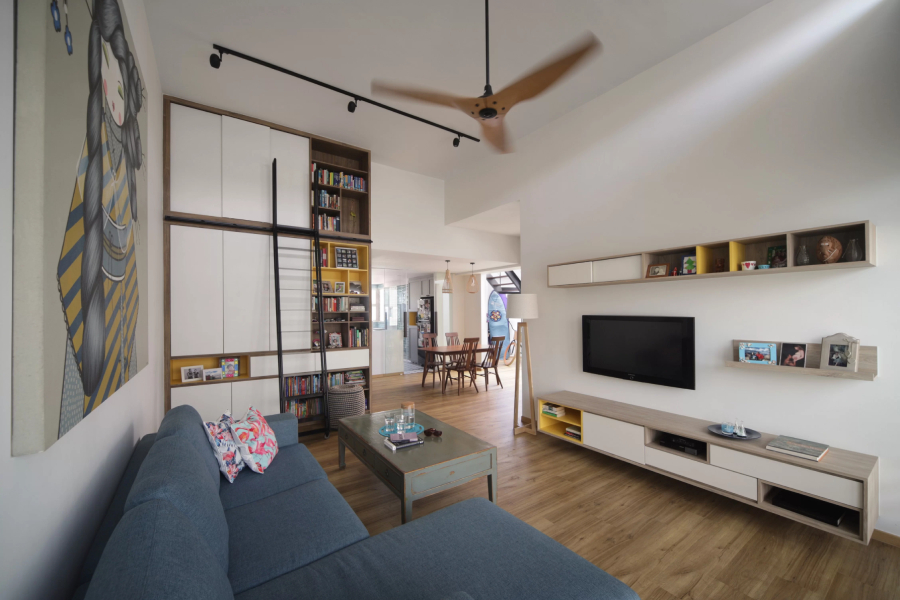
A living room serves as the centrepiece of a home. It is the place where you unwind after a long day, welcome guests, and create memories with family. While functionality is essential, the styling and lighting choices you make can dramatically alter the ambience. Whether you live in a condominium, landed property or an HDB maisonette interior design setting, refreshing your living room with thoughtful updates is a practical way to elevate your home without undergoing a full renovation.
This guide explores a range of styling and lighting strategies that can bring new energy to your living area, helping it feel warm, sophisticated, and truly yours.
Choose A Strong Focal Point
Every well-designed living room begins with a focal point. This is the feature that draws the eye and anchors the layout. A bold artwork above the sofa, a feature wall, a striking rug, or even a large window with a scenic view can serve this purpose.
Once you decide on a focal element, arrange furniture and accessories around it to create a sense of flow. In smaller living rooms, a clear focal point prevents the space from looking cluttered or disjointed. Lighting can be used to highlight this feature, ensuring it always stands out.
Layer Lighting For Depth
Lighting is more than a necessity, it is a design tool that can change the mood of a room instantly. A single ceiling light often feels flat and uninviting, whereas layered lighting adds depth and flexibility.
The three main types of lighting to consider are:
- Ambient lighting: The main source of illumination, usually provided by ceiling fixtures, recessed lights, or pendant lamps.
- Task lighting: Focused lighting for specific activities such as reading, studying, or working at a side table. Examples include floor lamps or directional spotlights.
- Accent lighting: Decorative lighting designed to highlight architectural details or art pieces. LED strips behind shelves, wall sconces, and picture lights are great options.
Combining these layers allows you to adapt the living room for different occasions, from cosy family evenings to lively gatherings with friends, with the help of accent, task or ambient lighting.
Select Balanced Colour Palettes
Colour is one of the quickest ways to refresh your living room. Neutral base tones such as white, beige, soft grey, create a timeless backdrop, while accents in earthy shades, muted jewel tones or soft pastels add personality.
Rooms with limited natural light benefit from lighter hues that reflect brightness. Conversely, if your space receives abundant daylight, darker accent walls can add richness and drama without making the room feel heavy. Ensure colours flow seamlessly from room to room to create a sense of harmony throughout the home.
Mix Textures And Materials
Styling a room is not only about what you see but also what you feel. Mixing textures prevents a flat, uninspiring look and adds dimension. Combine smooth glass, warm wood, cool metal, and plush fabrics to create balance.
For example, a linen sofa paired with a marble coffee table and a soft wool rug makes the room both practical and comfortable. Mixing textures subtly enhances visual interest without the need for excessive decorative items.
Maximise Natural Light
Natural light is an invaluable asset in any living room. To maximise it, keep window areas uncluttered and opt for sheer or light-coloured curtains that allow daylight to filter through. Consider reflective elements like mirrors, metallic décor, or glossy finishes to bounce light across the space.
For evening ambience, choose layered lighting solutions that complement natural light rather than compete with it. This ensures the living room transitions smoothly from day to night.
Consider Proportion And Scale
The size and proportion of furniture can make or break a living room design. Large, bulky pieces overwhelm compact spaces, while undersized items may look lost in a larger room. Measuring carefully before buying ensures a balanced arrangement.
For example, a sectional sofa may be perfect for an open-plan layout but too imposing for a narrow living room. Opting for slimmer armchairs, nesting tables, or modular furniture allows flexibility while maintaining proportion. Floating furniture away from walls can also create an illusion of openness.
Invest In Statement Lighting Fixtures
Lighting can double as décor. A sculptural chandelier, oversized pendant, or cluster of smaller lamps adds personality and becomes an instant conversation piece. For homes with higher ceilings, statement fixtures draw the eye upwards, emphasising space and height.
Pair these focal fixtures with softer ambient lights to ensure practicality and style coexist. Even in modestly sized rooms, a single well-chosen lamp can act as both functional and decorative art.
Layer Soft Furnishings
Cushions, throws, and rugs are quick solutions for updating your living room without major expense. They also allow you to experiment with patterns and colours seasonally.
During cooler months, opt for rich textures like wool or velvet, while lighter cottons or linens work best in warmer seasons. A large area rug can define a seating zone, grounding furniture and making the space feel cohesive. Mixing and matching patterns in similar colour families ensures variety without overwhelming the room.
Balance Warm And Cool Lighting
The type of light bulb you choose significantly influences ambience. Warm lights, typically around 2700K, create an inviting and cosy feel, making them ideal for seating areas. Cooler lights, around 3500K or higher, are more energising and suitable for reading corners or workstations.
Balancing the two allows you to define zones within an open-plan living area, ensuring each part of the room serves its purpose effectively.
Incorporate Greenery
Plants instantly bring life to a living room. Tall leafy plants can soften corners, while smaller potted plants on shelves or tables add vibrancy. Beyond their aesthetic value, indoor plants improve air quality and create a calming environment.
If your living room does not receive abundant sunlight, choose hardy varieties such as snake plants, pothos, or ZZ plants. Pairing greenery with stylish planters further enhances the décor.
Create A Personalised Space
While styling and lighting principles are useful, your living room should ultimately reflect your lifestyle and personality. Display treasured books, family photographs, or travel souvenirs to give the space warmth and individuality. Avoid over-decorating—curating items thoughtfully creates a balance between style and comfort.
Conclusion
Refreshing a living room does not require a full renovation. By introducing a strong focal point, layering lighting, mixing textures, and paying attention to proportion and colour, you can transform your living room into a welcoming and stylish retreat.
At Fuse Concept, we believe that every home deserves a living space that inspires comfort and sophistication. If you are ready to reimagine your living room or want professional guidance, explore our portfolio and services at Fuse Concept. With the right styling and lighting, your living room can become the perfect reflection of your home and lifestyle.