
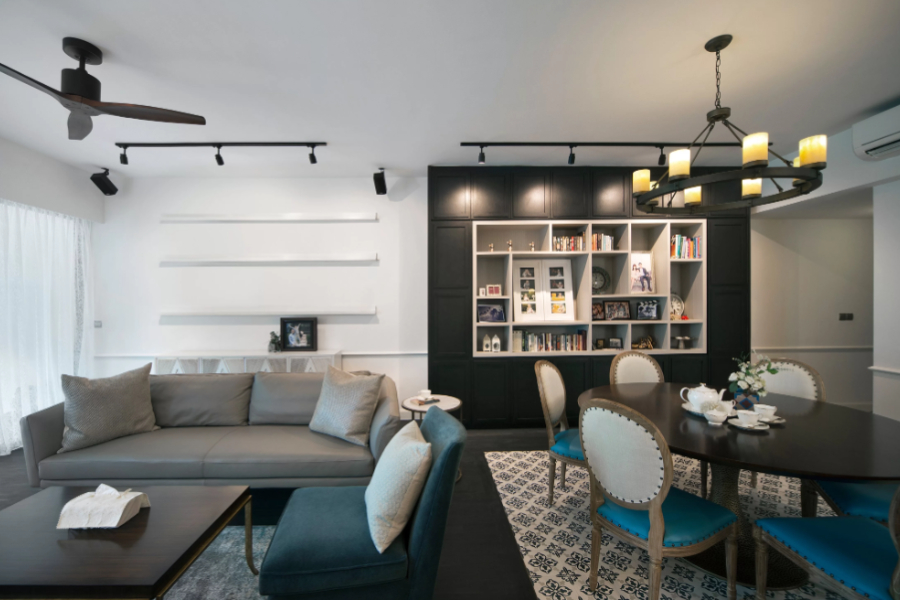
Lighting is often one of the most overlooked elements in interior design, yet it plays a pivotal role in shaping mood, functionality and spatial perception. Two essential types of lighting—task and ambient—each serve unique purposes within a home. Understanding how to balance them effectively can elevate both the aesthetics and practicality of your space, whether you’re revamping a compact condo or refining an HDB maisonette interior design.
What task lighting is and why it matters
Task lighting refers to illumination that serves a specific function. Think of the light above your kitchen counter, your desk lamp, or the focused beam over your bathroom mirror. Its purpose is to make detailed activities easier—like reading, cooking, grooming, or working. Without proper task lighting, these activities can strain the eyes and reduce overall efficiency.
Well-designed task lighting should be concentrated, shadow-free, and easily adjustable. Placement is key; for instance, a pendant light above a kitchen island or an under-cabinet strip in the pantry ensures that work surfaces are well-lit. For home offices, LED desk lamps with adjustable colour temperatures can adapt to different times of day, reducing eye fatigue.
Why ambient lighting creates atmosphere
Ambient lighting, sometimes known as general lighting, provides an overall wash of illumination in a space. This is typically the primary light source in a room—whether it comes from ceiling fixtures, recessed lights, or even large pendant lamps. It sets the tone and mood of a room, creating a sense of comfort and cohesion.
Where task lighting is functional, ambient lighting is atmospheric. A living room, for example, benefits from warm, diffused ambient lighting that makes the space feel cosy and inviting. On the other hand, a hallway might use cooler ambient lights to create a sense of clarity and direction.
Finding the right balance between the two
A common mistake in residential interiors is relying solely on ambient lighting. While this may seem adequate at first glance, it often leads to dim corners or uneven illumination. Without supplementary task lighting, everyday activities become more difficult, and the room may feel flat or uninspired.
The key is to layer both types of lighting strategically. Start with ambient lighting as your base. Once you’ve established a consistent level of general illumination, incorporate task lights in key functional areas. This layering technique not only improves visibility but adds depth and dimension to your interiors.
For example, when it comes to condo interior design in Singapore, space is often at a premium. Lighting needs to be purposeful yet stylish. Designers might integrate recessed ceiling lights for ambient coverage, then add sleek wall sconces or adjustable lamps in areas like the study nook or vanity zone. The result is a space that looks and feels larger while remaining functional.
Choosing fixtures that complement your interior style
The aesthetics of your lighting fixtures also contribute to the overall design scheme. A minimalist interior may benefit from slim LED strip lights and other modern lighting solutions, while a more classic setting could accommodate decorative sconces or vintage-style pendants. Materials, shapes, and finishes should harmonise with your existing décor to avoid visual clutter.
Smart lighting systems can further refine the balance between ambient and task lighting. With dimmable options and programmable settings, homeowners can effortlessly switch between bright task-oriented light and softer ambient scenes with a single tap.
Final thoughts
Creating the right balance between task and ambient lighting isn’t just about visibility—it’s about enhancing the way your space functions and feels. Whether you’re illuminating a spacious maisonette or a compact urban condo, thoughtful lighting design makes all the difference.
To explore lighting and design solutions tailored to your lifestyle, browse the latest insights on Fuse Concept’s blog and discover how professional interior design can transform your everyday spaces.