
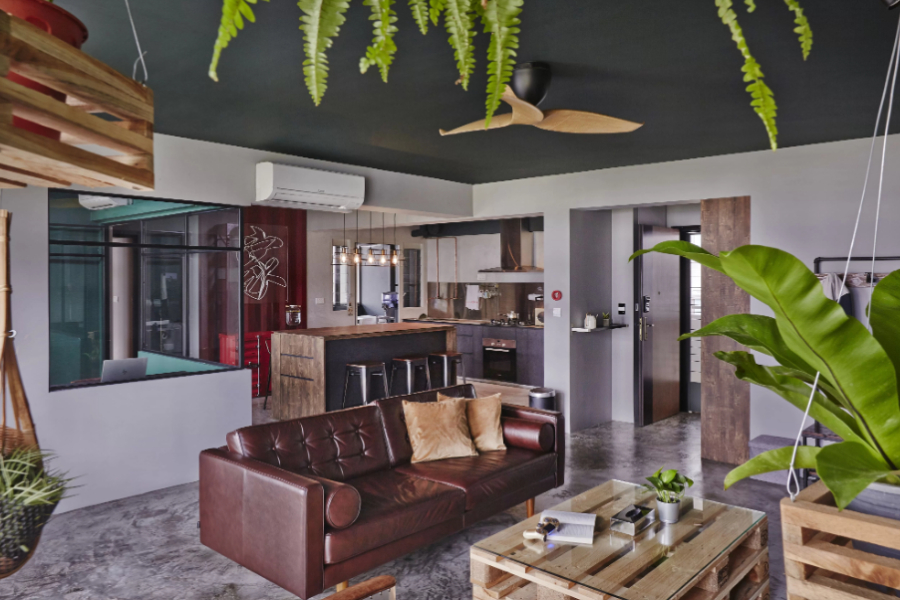
Kitchen islands have become a mainstay in modern homes, blending aesthetics with practical functionality. Whether you’re working with an open-concept space or a compact kitchen, the right island design can transform how you cook, dine, and socialise. More than just an additional countertop, a well-designed kitchen island serves as a multi-purpose hub—supporting prep work, storage, dining, and even work-from-home needs.
Here’s how to create a stylish and functional kitchen island that complements your home’s interior design, regardless of size or layout.
Consider how the island will be used
Before diving into the design phase, think carefully about what role the kitchen island will play in your daily life. Do you need extra counter space for meal prep? Are you hoping for additional seating for family meals or casual entertaining? Will it house appliances like a wine fridge or hob?
Clearly defining the island’s purpose will guide key design decisions such as dimensions, materials, and layout. For example, families with children may want a breakfast bar-style island with rounded corners and durable finishes, while avid home cooks might prioritise built-in sinks, butcher blocks, or pull-out drawers for utensils.
Get the proportions and placement right
A kitchen island should enhance flow, not obstruct it. Be sure to maintain enough clearance—typically at least 1 metre—between the island and other counters, cabinets, or appliances. This ensures ease of movement, especially in busy households or when entertaining guests.
Size matters as well. An island that’s too large can dominate the room, while one that’s too small might lack utility. For condo interior design, where space is often limited, opt for a space-saving, slimmer island or peninsula-style counter that offers storage and worktop space without overwhelming the kitchen.
Mix materials for visual contrast
Kitchen islands are the perfect opportunity to introduce a contrasting material or texture to your space. Pairing a bold stone countertop with neutral cabinetry can draw attention to the island and make it a focal point. Similarly, wood elements—whether in the form of bar stools, open shelving, or slatted panelling—can soften the look and add warmth.
If the rest of your kitchen features matte finishes, consider using a glossy or reflective surface for the island to create dimension. This kind of material play is often seen in modern HDB maisonette interior design, where combining textures is key to achieving a layered and sophisticated look.
Incorporate smart storage solutions
A well-designed island isn’t just a surface—it’s a storage powerhouse. Maximise every inch by integrating deep drawers, pull-out shelves, spice racks, and hidden bins. If your kitchen lacks a pantry, consider a built-in cupboard or larder unit within the island.
Open shelving can also be useful for displaying cookbooks, small appliances, or decorative items. For multifunctional use, islands with storage on one side and seating on the other strike the perfect balance between practicality and sociability.
Add integrated lighting for impact
Lighting plays a pivotal role in how your kitchen island functions and feels. Pendant lights above the island not only provide task lighting but also contribute to the overall design scheme. Choose fixtures that reflect your style—be it industrial, minimalist, or rustic—and hang them at the right height to avoid glare.
Under-counter lighting or LED strips along the base of the island can create a floating effect and enhance ambience in the evenings. If your kitchen is part of an open-plan living space, these subtle lighting touches help delineate zones without the need for walls.
Make room for seating and connection
One of the island’s greatest strengths is its ability to foster connection. Whether it’s friends sipping wine while you cook or kids doing homework before dinner, seating turns your kitchen into a social hub.
Plan for comfortable overhangs (about 30–40 cm) to accommodate stools without cramping legs. Choose seating that complements your kitchen’s aesthetic and allows for easy tucking under the island when not in use. For smaller homes, even a two-stool setup can make a big difference in usability and interaction.
Design with cohesion in mind
While it’s tempting to make your kitchen island a standalone statement piece, it should still feel like part of the overall design. Match or coordinate the island’s finishes, colours, and hardware with the rest of the kitchen to create a unified space. This ensures the island adds to the design narrative rather than distracting from it.
Homeowners seeking condo interior design in Singapore often benefit from a cohesive palette that reflects their personality while maintaining visual harmony, especially in compact or multifunctional spaces.
Conclusion
The kitchen island has evolved into more than just a luxury—it’s now an essential element in many modern homes, offering both style and utility. With thoughtful planning, the right materials, and an understanding of your lifestyle needs, your island can become the heart of your kitchen. Whether you’re updating an older space or designing a new layout from scratch, Fuse Concept offers interior solutions that elevate everyday living with smart, functional design.