
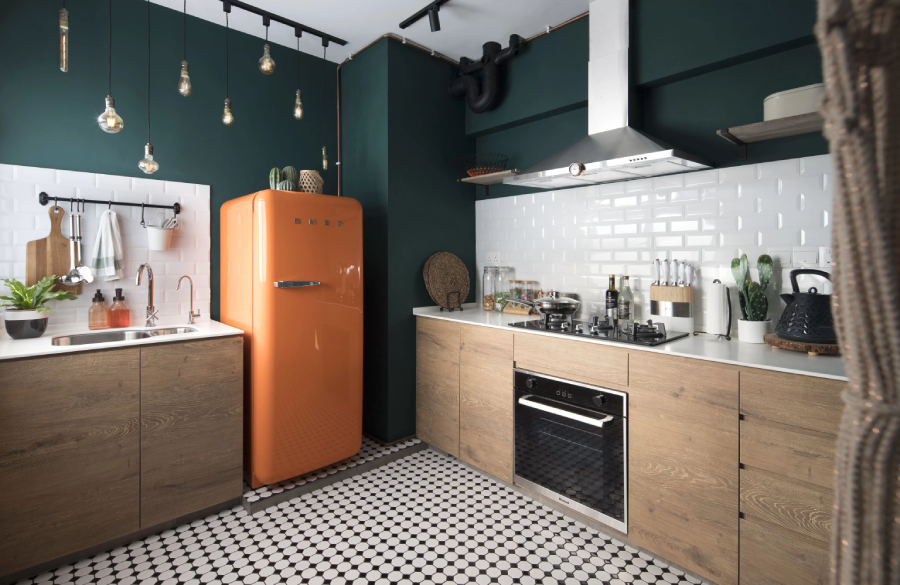
When designing a kitchen in a landed home design or any modern house, integrating separate wet and dry kitchen zones can transform both aesthetics and usability. A well-thought layout can keep cooking messes hidden while still allowing social areas and sleek finishes to shine. For those working with an interior design consultancy firm, it’s often the details such as materials, lighting, layout, that make all the difference.
Here are ideas and principles to guide you, followed by some practical tips to bring them to life.
Why Create Wet & Dry Kitchen Zones
- Functionality First: Wet kitchens are ideal for heavy duty cooking such as frying, boiling, and prep work that may splash, smoke or stain. Dry kitchens serve as lighter cooking or serving areas, perfect for daily breakfasts, coffee, or entertaining guests. Separation helps keep strong odours and mess confined.
- Clean Look, Flexible Living: Dry zones can be styled more freely as a sleek visual continuation from living/dining areas. They are often in more visible parts of the home. Keeping them clean and organised adds to overall ambience.
- Better Ventilation and Hygiene: Wet kitchens benefit from stronger ventilation, durable materials, and surfaces that resist moisture and grease. This preserves both structure and finish over time.
Key Design Principles To Follow
Maximise Natural Light And Ventilation
Large windows, operable panels or even sliding doors work wonders in wet kitchens to let steam and smells escape. In dry zones, softer daylight (or reflective surfaces that bounce light) makes the space feel open and welcoming.
Choose Durable, Easy-Clean Materials For Wet Zones
Tile, stone (such as quartz or marble), ceramic, stainless steel backsplashes, and anti-slip flooring are excellent choices for wet parts. These materials hold up well to moisture, heat, and frequent cleaning.
Reflect Style In Dry Zones With Finish And Detail
Dry kitchens are your opportunity to show off design flair: cabinet finishes, accent lighting, decorative backsplashes, glass-front cabinets, or open shelving. These details can subtly echo the wet kitchen while remaining more refined.
Use Smart Partitioning Without Losing Flow
Partitions that let you control the boundary between wet and dry zones such as glass sliding doors, foldable panels, or partial walls, allow both separation and visual connection. These work especially well in spaces where open plan living is desired but you still want containment of cooking mess.
Think About Workflow And Accessibility
Place sinks, stoves, worktops, storage, and appliances in a way that supports how you cook. Wet kitchens should be near utility zones if possible, to improve air flow and access. Dry kitchens should be near dining or living, since they will function more socially.
Smart Design Ideas To Employ
1. Matching But Contrasting Aesthetics
Use the same palette or material family in both wet and dry kitchens, but play with contrast. For example, matte wood or warm timber in one, sleek stone or glossy tiles in the other. This creates harmony yet clearly defines zones.
2. Kitchen Islands As Multifunctional Pieces
In dry kitchens especially, a kitchen island can double as a breakfast bar, serving counter, or even informal dining area. It can also house prep zones or small sinks for light tasks.
3. Integrated Appliances & Hidden Storage
Concealed hoods, built-in ovens, pull-out cabinets, and hidden rubbish bins help the dry kitchen maintain a clean, minimal look. This is especially important since it is more visible.
4. Accent Lighting Layers
Task lights over food prep zones, ambient illumination around cabinets or shelving, accent lights to showcase design features. Use lighting to emphasise materials and create moods, especially in the dry area.
5. Flooring Transition And Texture
Different flooring in the wet and dry zones helps visually separate them. For instance, anti-slip tiles in wet parts, warmer timber or stone in dry. Texture (such as reeded wood panels, ribbed glass, or fluted finishes) in dry kitchens adds visual interest.
6. Colour Accents To Liven Up Spaces
Use accents like colourful knobs, a bold splashback, feature cabinetry, or decorative tiles in the dry zone. Wet zones might benefit from more muted, easy to clean surfaces, but that doesn’t mean no colour. Tile patterns or painted cabinets can still bring personality.
Case Studies & Inspiration
- A landed home observed in project portfolios used an olive green and rustic oak theme in both wet and dry zones; quartz worktops tied them together while matte finishes kept things from becoming too glossy.
- Another design placed the wet kitchen closer to the service entrance to ensure good ventilation, while the dry kitchen opened towards communal areas to enhance social interaction.
- In small homes, see-through doors between zones allowed the dry kitchen to feel part of the larger living/dining without being subject to strong odours.
Possible Challenges And How To Overcome Them
- Odour Transfer: Ensure good exhaust systems, sealed partitions or doors, and possibly negative pressure ventilation so smells don’t drift.
- Space Constraints: In tighter landed home designs, you may need to prioritise which tasks go where, and use foldaway or compact solutions.
- Cost And Maintenance: Durable materials and high-quality cabinetry cost more up front but save in long-term upkeep. Budgeting early for partitions, extra ventilation, and smart appliances helps.
Conclusion
Whether you are planning a full renovation or simply tweaking your kitchen layout, thoughtful Wet & Dry kitchen ideas make all the difference. By combining durability and robust finishes in wet zones with refined style and social functionality in dry zones, you achieve a kitchen that’s both beautiful and practical.
For those seeking professional guidance, Fuse Concept offers the expertise to turn these ideas into your dream home. Visit Fuse Concept to explore projects, materials and layouts that suit your lifestyle, and ensure your wet and dry kitchens deliver both form and function.